
Buy Ammo by the Case and Save Big on Bulk Bulk Bulk
Running low mid-range or paying inflated per-box prices at the range is a frustrating drag on your shooting. Buying ammo by the specialty sports & supply case eliminates that hassle, delivering a full, sealed shipment of hundreds of rounds straight to your door for a single, predictable cost. You get serious per-round savings and a consistent lot for reliable accuracy, so you can stock up once and train hard without constantly reordering. Just grab a case in your caliber, break open the box, and feed your firearm with confidence for weeks.
Why Buying Bulk Ammunition Saves More Than Just Money
Buying ammo by the case saves more than money because it secures your training consistency. When you purchase a full case, you eliminate the anxiety of rationing rounds during practice, allowing you to actually build muscle memory and diagnose malfunctions without worrying about your dwindling stash. This bulk approach also protects you against batch variance—a single case ensures identical lot numbers, meaning your zero and point of impact remain uniform from the first box to the last, which is critical for defensive accuracy. Your time is preserved too; instead of making frequent trips to the store, you invest in one shipment and spend those hours at the range.
The real savings are psychological: a full case removes the “last ten rounds” hesitation that degrades your practice discipline.
You also dodge the per-box markup that adds up to paying a premium for the privilege of shopping more often.
The Real Cost-Per-Round Breakdown You Haven’t Calculated

When you calculate the real cost-per-round breakdown, the sticker price on a 500-round case is only the starting line. You must factor in the per-box savings you forfeit when buying 20-round retail packs—typically $2–$4 more per box—plus the hidden amortization of your time: range trips to zero, shipping fees per delivery, and the opportunity cost of running dry mid-session. Add the cumulative markup on last-minute gun-store pickups. For a clear sequence:
- Compare case price per round to single-box price per round.
- Divide all shipping and Ammo Cans & Storage for Sale handling fees across the total round count.
- Estimate the dollar value of wasted trips caused by shortages.
Once you sum these, the case’s true unit economics reveal savings of 15–30% that never appear on the shelf tag.
How Case Purchases Eliminate Per-Box Price Markups
When you grab a single box off the shelf, part of what you pay covers that box’s individual handling, shelf restocking, and the retailer’s slice for a one-off sale. Buying by the case strips those layers away, so you’re only covering the bulk unit’s cost. That’s the core of per-box price markup elimination—the manufacturer’s price doesn’t change, but the added per-unit fees vanish when you commit to a full flat. Retailers price cases as a single SKU, not as five separate items, so there’s no compounding margin on each cardboard sleeve. You effectively skip the “convenience tax” baked into individual purchases. The math is simple: fewer transactions, fewer markups, lower cost per round.
- A case is priced as one line item, not five separate margins.
- No shelf restocking or repackaging fees get added per box.
- The per-round cost drops because the retail markup applies once, not repeatedly.
Shipping and Handling Fees—What Bulk Orders Actually Cut
Shipping and handling fees are often the hidden tax on ammunition purchases. Buying ammo by the case directly attacks this cost because the carrier charges per package, not per round. A single case consolidates hundreds of cartridges into one box, so you pay the dimensional weight and base rate just once instead of spreading that fee across five or ten smaller shipments. This cuts the per-round shipping cost dramatically, often by 60–80% compared to buying equivalent boxes individually. Additionally, handling fees—which cover labor, packing materials, and insurance—are charged per parcel. A case requires one handling cycle, not multiple. The practical result is that bulk order shipping savings become a fixed variable you can calculate before checkout.
- One case = one box = one base shipping rate, not multiple rates stacked.
- Handling labor and packaging materials are charged per parcel, so fewer parcels slash that total.
- Heavier single packages often qualify for flat-rate or freight discounts that light smaller boxes miss.
- You eliminate the risk of split-shipment fees from inventory shortages, which add extra charges.
What’s Inside a Factory Case? Packaging Formats and Round Counts

A factory case of ammunition is defined by its consistent, sealed packaging format and fixed round count, typically designed for bulk storage and transport. Most handgun calibers, like 9mm or .45 ACP, arrive in cardboard cases holding 1,000 rounds, often divided into 50-round boxes. Rifle calibers, such as 5.56mm or .308, commonly ship in 200-round cases, either as loose rounds in a box or in 20-round stripper-clip sleeves. Some budget-friendly loads use 500-round cases with reusable polymer trays. Knowing the exact format 7.62×51 Ammo for Sale matters because it dictates your storage footprint and reloading workflow—a 1,000-round case of 9mm occupies about one cubic foot, while 200 rounds of .308 take half that space. Never assume the count; always verify the label, as some cases pack 500 or 250 rounds depending on the manufacturer’s SKU. Q: Can a factory case mix calibers? A: No, all rounds in a single case are identical to ensure lot traceability and consistent ballistics. This predictability lets you budget by the case and plan range sessions without counting individual boxes.
Common Case Sizes: 200, 500, 1,000—Which Fits Your Storage
The 200-round case suits compact safes or range bags, prioritizing portability over bulk savings. 5.56 Ammo for Sale A 500-round option balances handling with cost efficiency, ideal for shooters with a mid-sized locker or shelf. The 1,000-round case maximizes per-round value but demands substantial, climate-controlled space, such as a heavy-duty cabinet or pallet shelf. Before choosing, measure your storage’s depth and weight capacity—a full 1,000-round case of 9mm can exceed 25 pounds, while 200-round cases fit awkwardly in standard ammo cans. Ultimately, ammo case sizing hinges on your storage footprint, not just price per round, so prioritize accessibility and weight distribution.
Loose Pack vs. Boxed Cases: Pros and Cons for Range Days
For range days, loose pack ammunition offers unmatched speed when loading magazines directly from a bulk bag, reducing downtime between shooting strings. However, loose rounds rattle and can be difficult to inventory at a glance, and unboxed cartridges risk debris contamination in a range bag. Boxed cases, by contrast, provide rigid, stackable trays that protect primers and keep rounds organized by lot, which simplifies counting spent versus live ammo. The tradeoff is slower access—you must tear open each box and peel trays. For high-volume drills where time matters, loose pack wins; for careful load development or IDPA-style stages, boxed cases keep every round accounted for and stable in a vehicle or cart.
Q: Which format is better for a high-fire-rate range day?
A: Loose pack is better because you can pour rounds directly into mag loaders, shaving minutes off each reload, whereas boxed cases require opening and unwrapping multiple trays between strings.
Identifying Seal Integrity and Lot Numbers for Freshness
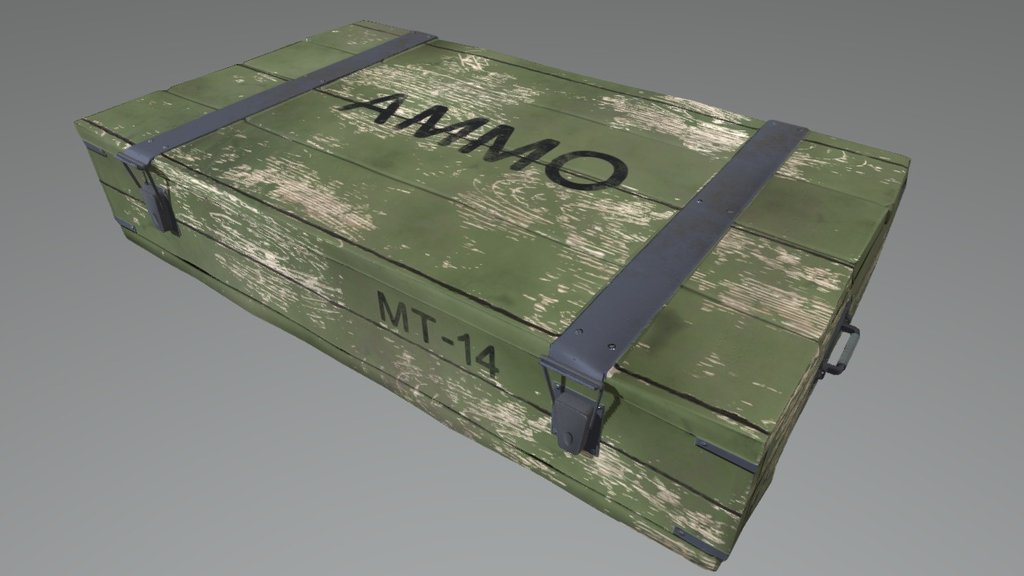
Before relying on a factory case for long-term storage, check the manufacturer’s seal integrity by inspecting the tape, strap tension, and any visible crimping along the case flaps—loose or previously cut tape can indicate moisture intrusion or tampering. Next, locate the **ammo case lot number**, typically printed on the outer label or stenciled on the side; this alphanumeric code ties rounds to a specific production run, allowing you to verify recall status or batch-specific issues. A pristine seal does not guarantee freshness, but a consistently intact seal combined with a legible lot number gives you a reliable baseline for rotational stocking. For freshness, compare the lot date code against your use-by rotation plan, prioritizing older lots first while keeping sealed cases undisturbed until needed.
Selecting the Right Bulk Load for Your Firearm’s Needs
When buying ammo by the case, your bulk load must match the firearm’s intended cycle, not just the caliber. For semi-autos, select a projectile weight and powder charge that reliably cycles the action—light target loads often fail in stiff recoil springs, while heavy defensive loads can beat up competition guns. Match the muzzle energy to your specific barrel length and gas system, since a 16-inch carbine and a 20-inch rifle will demand different pressure curves for consistent 5.7x28mm Ammo for Sale lock-back on the last round. Always verify the case’s lot number for consistent primer seating and neck tension, as mixed lots in a single case can cause point-of-impact shifts. Your most accurate bulk load is useless if it short-strokes in cold weather or with a dirty chamber. Chronograph a sample from the case before committing to a full purchase.
Matching Bullet Weight and Grain to Your Barrel Twist Rate

When buying ammo by the case, matching bullet weight to barrel twist rate determines whether your bulk purchase groups tightly or patterns poorly. A slower twist (1:12) stabilizes lighter grains (55–62gr), while faster twists (1:7 or 1:8) handle heavier projectiles (69–77gr) by spinning them fast enough to overcome gyroscopic instability. Ignoring this ratio wastes money on a case of ammunition that keyholes or erratically drifts at range. Always confirm your barrel’s twist before committing to a bulk lot, since twist dictates the optimal grain window for supersonic stability and consistent accuracy across temperature variations.
Check your twist rate first; then choose case quantities whose bullet grain falls within that stabilization 7.62×39 Ammo for Sale window for reliable accuracy.
FMJ vs. JHP in Bulk—When to Stock Each Type
When buying ammo by the case, stocking FMJ in bulk makes sense for high-volume range days and drills where cost-per-round matters most—it’s cheap, reliable, and ideal for burning through hundreds of rounds without flinching at the bill. Reserve JHP cases for defensive loads you actually trust, not for plinking; you don’t need expensive hollow points for paper targets, but you *do* want them on hand for the magazine you keep loaded at home. A good rule: buy FMJ cases for practice, JHP cases in smaller quantities for carry rotation. *Rotate your JHP stash every few months to ensure fresh primers and proper expansion, even if it stings the wallet a bit.* If you’re torn, a 4:1 FMJ-to-JHP case ratio gives you ample training while keeping a serious defensive reserve.
Checking Primer Hardness and Case Wall Thickness for Reloaders
When buying ammo by the case for reloading, never trust that once-fired brass is uniform. Checking primer hardness and case wall thickness for reloaders prevents catastrophic pressure spikes, especially in high-volume bulk lots. Soft primers can pierce under heavy loads, while thin case walls risk rupture at the web. Use a primer pocket uniformer to gauge pocket depth and a ball micrometer at the case mouth to measure wall variance; more than 0.003 inches across a case lot demands segregation. Sort cases by headstamp first, then verify thickness at three points per case—neck, shoulder, and base. Reject any case with wall readings below 0.010 inches at the neck for rifle calibers. This two-step inspection turns mixed bulk ammo into a safe, predictable reloading foundation.
Storing a Full Case to Keep Ammo Reliable for Years
Storing a full case of ammunition is the most effective way to preserve its reliability over extended periods, as unopened factory boxes maintain a consistent internal environment. When you buy ammo by the case, the sealed cardboard and plastic trays protect primers and powder from rapid humidity shifts that degrade single loose rounds. Keep the case off concrete floors on a wooden pallet or shelf to prevent moisture wicking, and ensure the storage area stays below 70°F with stable humidity under 50%. Avoid opening the case repeatedly; instead, draw from one box at a time, leaving the rest sealed. Rotating your stock by using oldest cases first prevents long-term static storage issues. Airtight metal or polymer cans, with desiccant packs added, further guarantee that your bulk-purchased rounds remain ballistically consistent and corrosion-free for years of dependable use.
Ideal Temperature and Humidity Ranges for Ammo Lockers
For long-term case storage, your ammo locker’s climate is non-negotiable. Keep the temperature between **55°F and 75°F**; anything above 90°F accelerates powder degradation and can weaken primer compounds, especially in bulk-packed cases that lack individual sealing. Humidity is the more critical factor—maintain a steady 30% to 40% relative humidity (RH). Below 30%, you risk drying out sealants; above 50%, condensation forms on brass, inviting corrosion that can seize rounds in a full case. Use a desiccant pack plus a hygrometer to monitor. Avoid thermal swings; they cause condensation inside the locker’s airtight seal.
What is the ideal temperature and humidity range for ammo lockers? The safe zone is 55–75°F with 30–40% RH. Stay within this window, and your case’s rounds will fire reliably for decades, no matter how long they sit.
Airtight Containers and Desiccant Packs That Actually Work
For long-term case storage, airtight containers and desiccant packs that actually work hinge on two variables: a true hermetic seal and silica gel that isn’t already saturated. Skip flimsy budget bins; use military-grade .50-cal cans or gasketed polymer boxes with a rubber O-ring you lubricate lightly to prevent dry-cracking. Before sealing, bake your desiccant at 250°F for two hours to recharge it, then place it in a breathable pouch—never loose, as dust can scratch copper jackets. Add a humidity indicator card inside; if it reads above 40%, the seal is failing.
- Use color-changing silica gel (orange 7.62x54R Ammo for Sale to green) to confirm moisture absorption at a glance.
- Recharge packs every six months in a low-humidity room, not a damp garage.
- Double-bag the case liner inside the container for redundant vapor barrier protection.
Rotating Your Stock: First-In-First-Out for Older Lots
When you buy ammo by the case, first-in, first-out stock rotation ensures older lots are used before newer ones, preventing age-related degradation of primers and propellants. Always place fresh cases behind existing inventory on the shelf, and when opening a case, pull from the front or bottom where the oldest lot sits. Label each case with the purchase date and lot number using a permanent marker, so you can identify which to shoot first. Even sealed factory ammo can experience sealant failure or powder breakdown after years, so rotating is the only way to guarantee you are always firing the freshest available load. When you dip into a case, finish that lot before opening the next one, rather than sampling several at once.
Rotating your stock with first-in, first-out ensures older lots are consumed first, keeping your case inventory fresher and more reliable over extended storage.
Managing a Case Purchase Without Wasting a Single Round
Managing a case purchase without wasting a single round begins with lot-number verification before you commit to the full ammo by the case quantity. When you receive a case, immediately inventory each box against the packing slip, then rotate your stock by placing newer cases behind older ones to ensure consistent pressure and velocity profiles from your primary zeroing session. Avoid breaking seals on multiple boxes simultaneously; instead, dedicate one open box for range use and keep the rest sealed to prevent moisture exposure. If you must mix lots, use a separate magazine for each lot to confirm point-of-impact shifts, and chronograph test a sample from every new case before relying on it for precision work, ensuring no round is wasted on flawed assumptions.
Breaking Down Cases into Range-Ready Loads
Turning a sealed case into range-ready loads starts with a system, not a free-for-all. Open the case on 7mm PRC Ammo for Sale a stable bench and immediately sort boxes by caliber and grain weight, using a permanent marker to label any unmarked packaging. Break down the case into smaller, portable ammo cans—one per firearm or range bag—so you grab exactly what you need without dragging the whole crate. Reserve a separate can for “practice” rounds and another for “defensive” loads to prevent mix-ups. Rotate stock by pulling from the front and stashing new boxes in the back. This keeps your case-to-range workflow efficient and avoids half-empty boxes cluttering your safe.
- Divide by caliber and purpose before boxing
- Use labeled ammo cans sized to your range bag
- Rotate oldest stock forward for consistent practice
Tracking Chronograph Data Across Different Case Lots
When you buy ammunition by the case, treat each lot number as its own ballistic identity. Shoot a baseline chronograph string across different case lots before you commit to a zero, because identical box labels can hide 30–50 fps velocity swings. Record the lot number, average speed, and extreme spread in a simple log or phone note immediately after testing. If your loads sit near a power-factor threshold or long-range stability limit, that data tells you which lot deserves priority for match days and which is fine for practice. Re-test every new lot, even if the .17 WSM Ammo for Sale manufacturer insists on uniformity, because your barrel’s response to propellant changes is the only truth that matters. Use lot-specific velocity tags on your ammo cans so you never grab the wrong blend mid-season.
Sharing a Case with Shooting Partners—Splitting Costs and Rounds Fairly
When splitting an ammo case with shooting partners, first agree on each person’s exact round count before the bulk order is placed, since a full case (e.g., 500 or 1,000 rounds) must be divided into clean, non-negotiable shares. Divide the total case cost by the number of rounds each person receives—not by the number of people—so a shooter taking 200 rounds pays proportionally more than one taking 100. Use a shared cost-tracking app or a written sheet to log who paid what and who gets which boxes, avoiding memory-based disputes. Fair round allocation also means assigning remaining partial boxes after the case is opened, with the lowest-odd-rounds person getting first pick of a spare box to keep everyone .17 HMR Ammo for Sale even. Sequence:
- Confirm individual round quotas
- Calculate per-round price from the case total
- Collect exact payments before delivery
- Divide boxes by quota, not by person
- Settle any leftover rounds by mutual swap or cash adjustment.